glass bottle
Factors Affecting the Quality of Cosmetic Glass Bottle Packaging
Cosmetic glass bottle quality falls into six major categories: glass substrate quality, forming process, post‑treatment, matching components, storage & transportation, and service environment. Details are listed below:
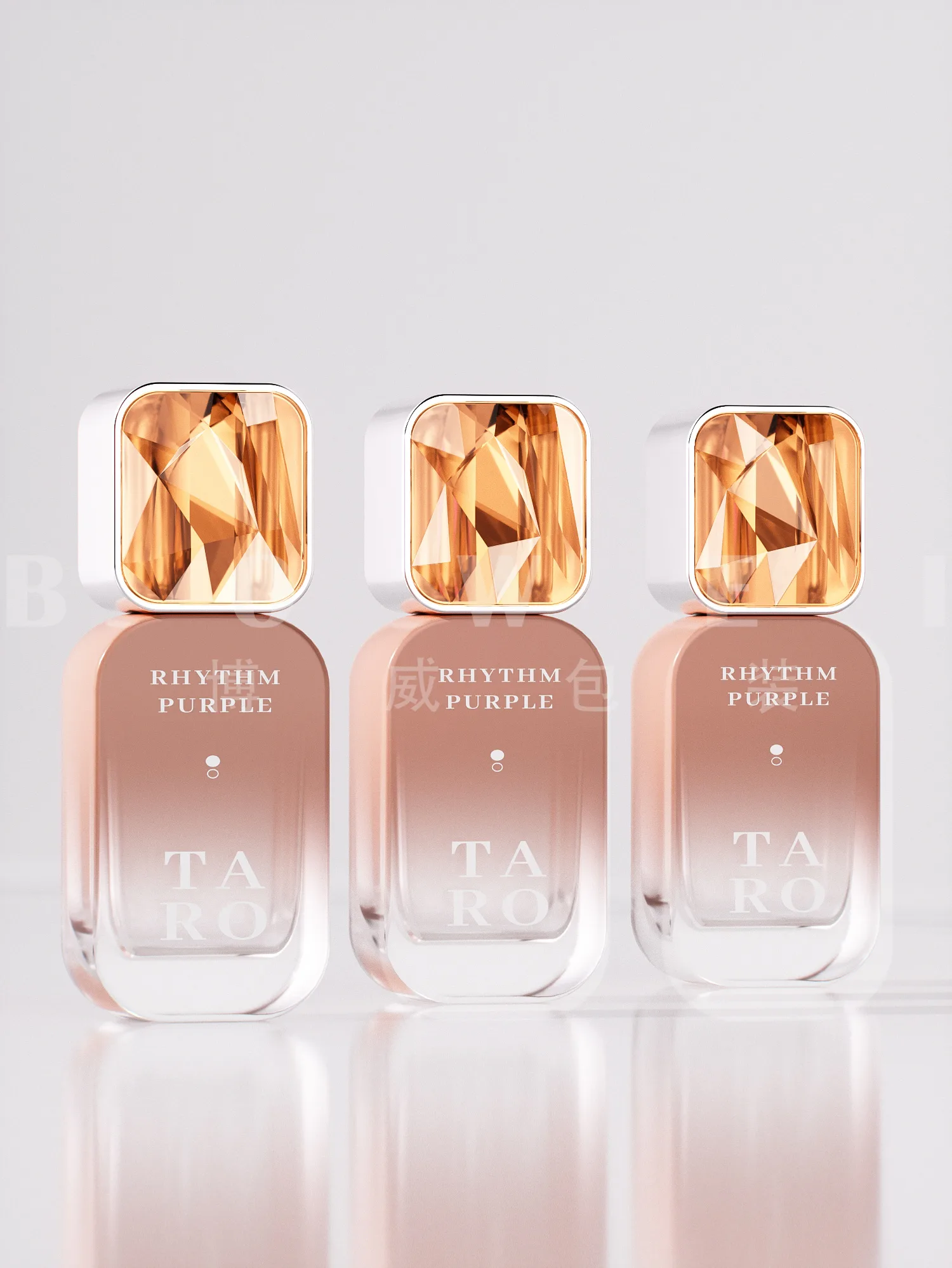
1. Raw Materials and Formulation of Glass
1.1. Raw material purity: Excessive impurities (iron, chromium and other metal ions) in quartz sand, soda ash, limestone and other raw materials will cause yellowish discoloration, poor transparency, bubbles and stones in bottles. High‑white glass is widely used for cosmetic containers with stricter impurity requirements.
1.2. Formulation design: It determines the thermal and chemical stability of glass. Improper formulation leads to poor water resistance. When filled with essences, acidic or highly‑active cosmetics, ions may leach out from glass and contaminate contents.
2. Bottle‑Forming Process (Blowing / Pressing)
2.1. Melting temperature and holding time: Insufficient kiln temperature results in bubbles, striae and stones; excessive temperature causes uneven glass flow and inconsistent wall thickness.
2.2. Mold condition: Worn, rusted or carbon‑deposited molds lead to scratches, pitting, deformation and prominent mold parting lines. Uneven mold cooling causes large wall‑thickness variation.
2.3. Common forming defects
- Uneven wall thickness: Over‑thin sections are prone to breakage; over‑thick sections generate high stress under thermal expansion and contraction.
- Bubbles, stones and striae: Defective appearance; stress concentration may cause spontaneous cracking under minor impacts.
- Deformed / elliptical bottle mouth: Poor fit with pumps or caps, resulting in liquid leakage or pump detachment.
2.4. Annealing process (critical): Residual internal stress builds up after forming. Inadequate annealing leaves high residual stress, causing spontaneous fracture under slight impact or temperature fluctuation. Over‑annealing reduces mechanical hardness. Annealing is core to the thermal‑shock resistance of glass bottles.
3. Surface Post‑Treatment
3.1. Spray painting / baking finish: Insufficient coating adhesion causes paint peeling; uneven thickness, pinholes and sagging occur with improper spraying. Improper baking temperature leads to coating cracking. Poor hiding power gives rise to color difference.
3.2. Silk‑screen printing / hot stamping: Poor ink adhesion or solvent resistance causes color fading when exposed to alcohol‑based cosmetics. Weak foil adhesion leads to rubbing‑off; pattern mis‑registration may also occur.
3.3. Frosting / acid etching: Improper etching duration brings uneven frosted finish or rough whitish surfaces that trap dirt. Frosted layer flaking risks contaminating cosmetic contents.
3.4. Electroplating / coating: Pinholes and peeling of electroplated layers may trigger heavy‑metal leaching risks.
4. Matching Components and Sealing Structure
Even qualified glass bottles may fail due to poorly matched accessories:
4.1. Dimensional accuracy of bottle mouth: Out‑of‑tolerance inner diameter, height or thread specifications prevent pumps or screw caps from proper tightening and cause leakage.
4.2. Gaskets / rubber rings: Material incompatibility with cosmetic contents (essential oils, alcohols, acids may swell rubber parts) results in substance leaching and leakage.
4.3. Pump compatibility: Improper dip‑tube length hinders normal dispensing; excessive clearance between pump and bottle mouth accelerates content volatilization.
5. Chemical Compatibility (Interaction between Cosmetic Contents and Glass)
5.1. Chemical resistance of glass: Ordinary soda‑lime glass may release potassium and sodium ions when long‑term in contact with acidic, alkaline or highly‑active skincare products. This shifts pH values and destabilizes active ingredients. Low‑borosilicate glass is adopted for high‑end essences for better corrosion resistance.
5.2. Cosmetic ingredients: Formulas containing alcohol, fruit acids or plant extracts may react with glass surfaces or printed coatings, resulting in discoloration or turbidity of contents.
6. Storage, Transportation and Environmental Factors
6.1. Temperature variation: Sharp temperature changes (e.g. transfer from cold warehouse to ambient temperature, hot‑water washing) may trigger thermal‑shock cracking for poorly‑annealed bottles.
6.2. Mechanical impact: Stacking pressure and collision during handling produce invisible micro‑cracks, which may develop into fractures after storage.
6.3. Storage conditions: Humid environment accelerates aging of silk‑screen and hot‑stamp layers; prolonged sunlight exposure causes coating fading.
6.4. Protective packaging: Insufficient cushioning (cartons, EPE foam) leads to chipped rims or broken bottoms in transit.
7. Quality‑Control Management
Final outgoing quality depends on inspection standards covering dimensional tolerances, visual appearance, internal‑stress testing, thermal‑shock test, leakage test, adhesion test and leachable‑substance detection.